Creating Value In Schools
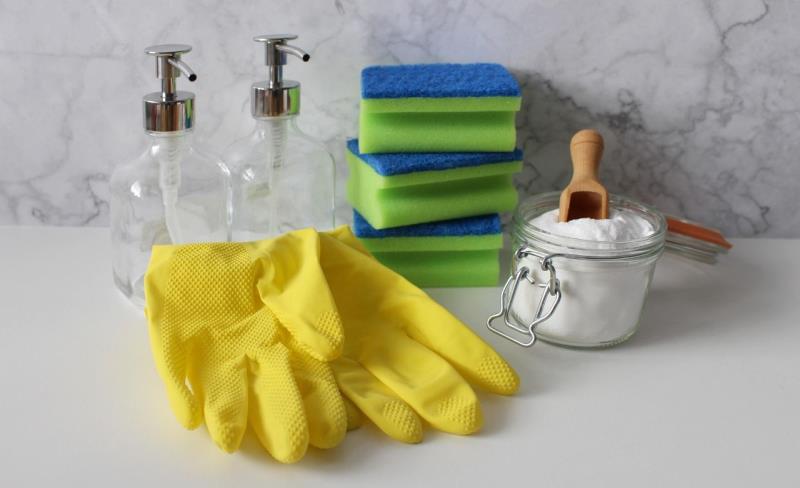
Wendy Litherland combines her role as Associate Assistant Headteacher and Director of Sustainability at Accrington St Christopher’s CE High School with being Head of Education at Solar for Schools. This is an extract from our longer conversation, From prom shop to polytunnel: sustaining eco-activity in school. I arrived at St. Christopher's nearly 20 years ago, full of enthusiasm and looking for something else to do to complement my science teaching. The environment was always a passion of mine, and our school had a need to save money. So basically it started off a little bit of a one-man band, or a one-woman band in this case. And things grew from that bottom up approach. I certainly learned a lot of lessons on the way. Especially getting myself into issues and tight corners that I needed to get out of! I learned quite a few lessons with the children as well, which was good. We learned together. Many of those students are still in touch with me now and support a lot of the work we do. Probably the main lesson learned, I have to say, is if you haven't already, make friends with the caretaker or the site manager. Then the business manager, because you need to be working in tandem. As a teacher you spend a lot of your time in the classroom. You get taught about pastoral roles, the curriculum, the subject, how to talk to parents, et cetera. But unfortunately, and maybe it’s obvious, but when you're so busy as a teacher, you miss this: that actually there is a whole school and an estate running around you, that needs to be kept going. My best allies in school for sustainability are all the support staff from the cleaners, site supervisors, the kitchens, and the admin. I think that because I did an eco group after school, and I wasn't rushing out of the door or staying in my classroom for that matter, I started to see the cleaners clean up, the caretakers mending things. The admin staff carry on sorting all the things out. And slowly but surely you realise where the heartbeat of the school is. It is with the pupils, but there's another one behind that. It's often a silent one, or missed in many schools, celebrated in others. So it's definitely something I would recommend: reach out to people. I have to say now, that my best allies in school for sustainability are all the support staff from the cleaners, site supervisors, the kitchens, and the admin. They drive things forward in a way that sometimes teachers don't have the capacity for. And it allows the teachers to shine lights on different areas, which is so very important. At first, when you're a young teacher, you don't necessarily know all the ins and outs of what the leadership roles are either. But they can tell you about what is and isn’t going on – help save you time when you’re trying to get going. It's communication. Talking to people is the best. I also learned a lovely trick with the PTA. I joined quite early on, because I wanted them to buy me a shed. And I learned that there's a wealth, a whole other layer of knowledge you can tap into with the parents, grandparents, and associates at the school. Again, whilst it would probably be perceived that I spent my time helping them to raise money and things like that, they actually helped me grow as a person. I learned from our pupils as well, because they gave a different wealth of experience and, one that I will always hold in all my teaching, that the teacher is great and the teacher is a centre point, but it's a community behind them that drives education and progress and those skills we want for our children. There are cycles. It depends sometimes on staff, school issues, wider problems, classroom availability, and so on. We used to be in the pod outside gardening and then I'd trail the children through with their muddy shoes. Obviously we cleaned them off, but we didn't really clean them off because we never quite clean them off! We all know that, especially if you're parents. Then I realised that the cleaners had already cleaned up. So, have a quick word with the cleaner saying, look, can you clean this area last, and then we're not going to come to blows! It's simple things like that. Or making sure they know which classrooms you're using, so they clean those last, especially if you are going to be making a mess. We had a problem with our dining room. We’d got new equipment (through our fundraising) but there was some corrosion on the tables and chairs, and we couldn’t figure out why. So we looked at the cleaning materials and realised that there was too much bleach being used, and we shouldn’t be doing it in school. Once we changed the cleaning method the corrosion stopped. That led to us having a refill station for cleaning products for a time, which meant we benefitted from having cheaper refills on site and different products to those you get in the supermarket. Unfortunately, Covid put a stop to that. We hope to reignite the refill station, but it’s something to acknowledge: you’ve got to live with the fact that sometimes things work, then they don’t, then they do again. There are cycles. It depends sometimes on staff, school issues, wider problems, classroom availability, and so on. Schools very much work on a linear economy, in and out. However, quite a few of the teachers now use products without parabens in, and they feel like they’re setting a better example for the children that way as well. In the science labs, when we had soaps out for the children to wash their hands after they used chemicals, we made sure that they knew where they came from. In fact, the eco group ended up making some soap, from leftover stock from one of the suppliers. It was a local business that sold ethical soaps and they had bits left over, so the children then made their own soaps. Everything felt more circular that way – the circular economy is such a key thing. Even if it's tiny little things like soap, it helps children to realise that yes, things can be done like this. Schools very much work on a linear economy, in and out. The children are linear! We bring them in at Year 7, they leave at Year 13, and everything is in progress. It’s very like the factory model, isn't it? Everything is churning out; the system is set up like that. It's how we amend the system to look differently and feel differently as well that matters. Listen to the podcast with Wendy (36 minutes)
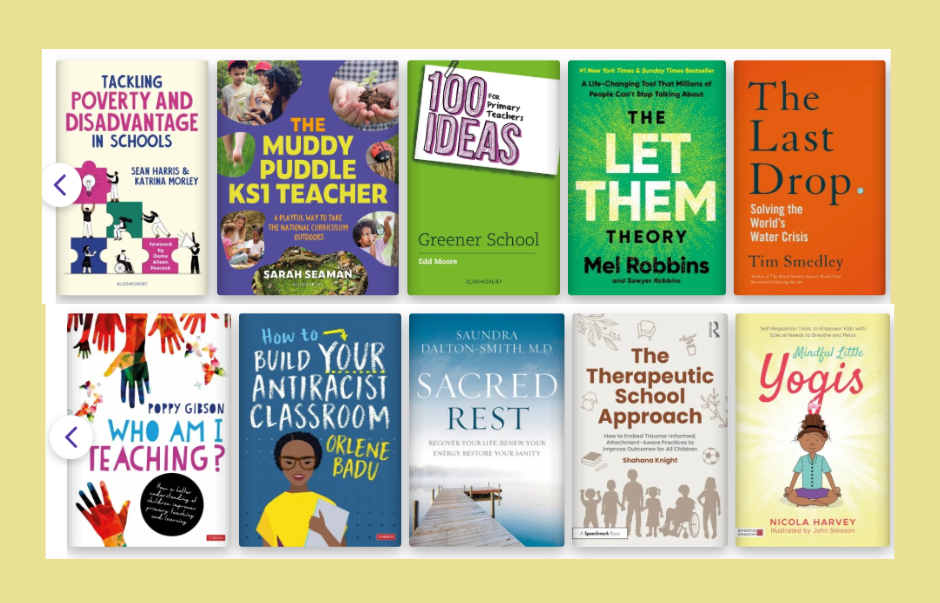
Get inspired with recommended reads in the Creating Value in Schools bookshop If you buy books linked to our site, we may earn a commission from Bookshop.org, whose fees support independent bookshops.Top takeaways
Starting out
Discovering the heartbeat of the school
Learning from others
Consider the cleaners
What chemicals are you using?
A circular view of life
Want to change the system?